01
Dietary principles
Take medications with food
Many anthelmintic medications absorb better with a meal containing fat. Specific instructions are given by the prescribing clinician when a medication is ordered.
Reduce raw protein exposure
Raw or undercooked fish, pork, beef, and shellfish are common sources of parasitic transmission. Reducing exposure during and after a treatment course is a common clinical recommendation.
Wash produce carefully
Leafy greens, berries, and produce grown low to the ground benefit from thorough washing. Watercress in particular has been associated with Fasciola transmission.
Support gut recovery
Diverse fiber and fermented foods support microbiome restoration after a course of antimicrobial or antiparasitic medication.
Consider context when eating out
Cooked dishes served hot, avoiding ice in unfamiliar regions, and being cautious with raw shellfish are common travel-medicine recommendations.
Hydration and bile flow
Adequate water intake supports normal biliary clearance. Alcohol is generally minimized during an active treatment window per standard medical guidance.
02
Supportive supplements
Categories a clinician may discuss when supportive supplementation is reasonable. Specific products and dosing are individualized.
Hepatic support
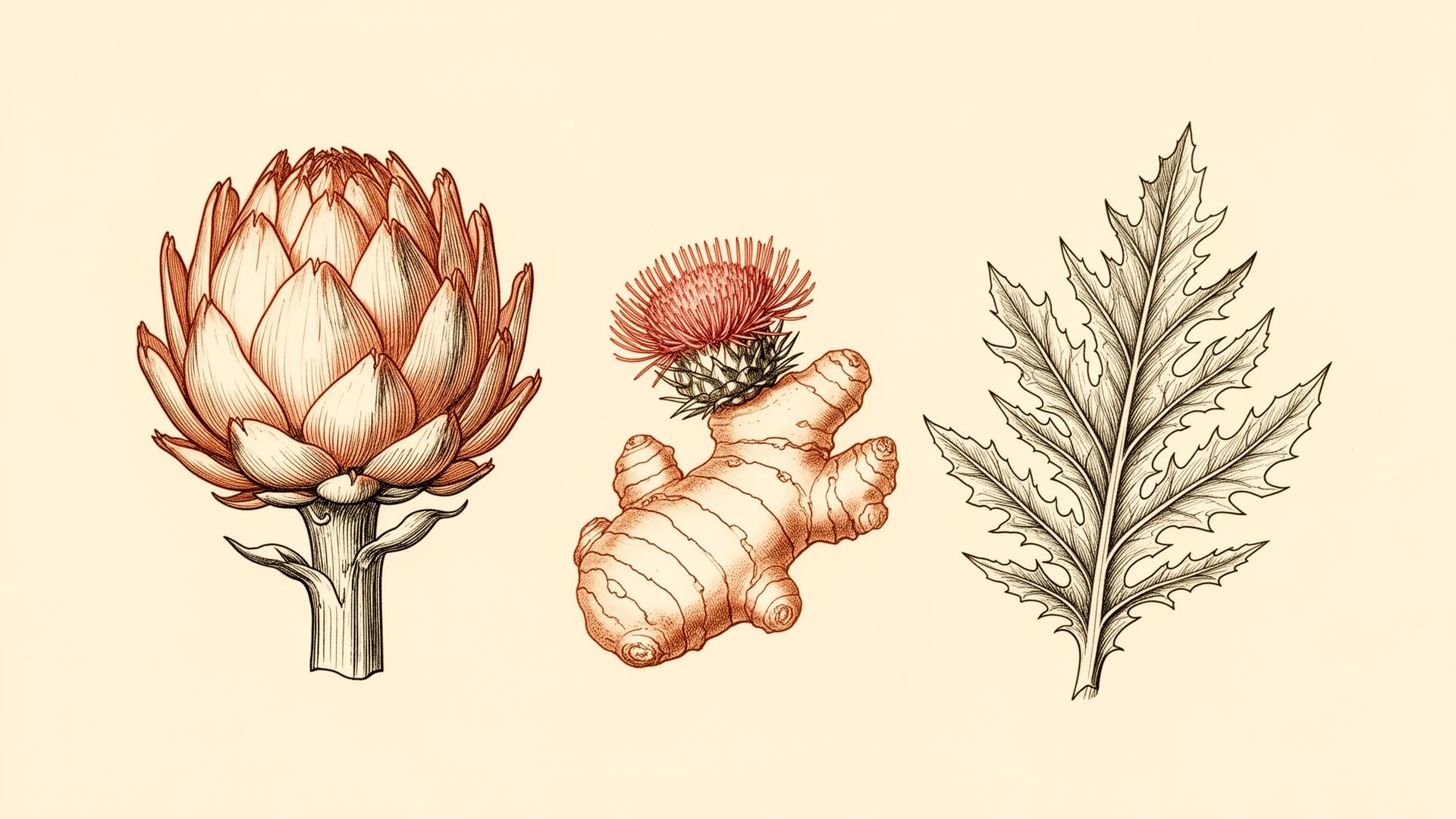
Some clinicians use supplements that support liver function during courses of medications metabolized hepatically. Evidence varies by agent. Examples discussed in the medical literature include TUDCA, N-acetylcysteine (NAC), and silymarin (milk thistle).
Microbiome support
Probiotic use during and after antimicrobial or antiparasitic therapy has the most consistent evidence base of any supplement category in this context. Examples include Saccharomyces boulardii, Lactobacillus rhamnosus GG, and multi-strain formulations. Partially hydrolyzed guar gum is a commonly used prebiotic.
General anti-inflammatory and immune support
Vitamin D, omega-3 fatty acids, zinc, and curcumin appear in the broader medical literature for general anti-inflammatory and immune support. Use is individualized.